Boost E-commerce Speed
Did you know 40% of users abandon a website that takes longer than 3 seconds to load? For e-commerce sites, slow loading directly impacts sales and user experience. This article provides actionable insights to significantly enhance your online store's performance and keep customers engaged. Discover how to dramatically increase your e-commerce website speed with our proven optimization strategies.
Understanding Your Optical Prescription
How to Get an Optical Prescription
Where can I get an eye exam?
Getting an accurate optical prescription starts with a comprehensive eye exam. This is a vital step for maintaining healthy vision and obtaining the correct corrective lenses.
The most common places to get an eye exam are at an optometrist's or ophthalmologist's office. Optometrists are primary eye care providers who perform eye exams, diagnose vision problems, and prescribe glasses and contact lenses.
Ophthalmologists are medical doctors specializing in eye and vision care. They can perform eye exams, diagnose and treat all eye diseases, perform eye surgery, and prescribe glasses and contact lenses.
For individuals needing a prescription renewal and whose vision hasn't changed significantly, some online services now offer vision tests. However, these services typically require a recent or expired prescription to start and are not a substitute for a full eye health examination. Regular in-person check-ups are crucial for overall eye health.
Deciphering the Numbers: Optical Prescription Explained
Understanding your optical prescription might seem like reading a secret code, but each number and abbreviation provides specific details about your vision correction needs. Let's break it down.
How to read your glasses prescription
Your glasses prescription contains several key pieces of information for each eye. It details the power required to correct your vision for conditions like nearsightedness, farsightedness, and astigmatism. For a comprehensive guide on understanding each element of your prescription in detail, you might find this eye glass prescription guide particularly helpful.
- OD (Oculus Dexter): This always refers to measurements for your right eye. Think of Dexter meaning right.
- OS (Oculus Sinister): This always refers to measurements for your left eye. Sinister relates to left.
- SPH (Sphere): This indicates the main power needed to correct your vision. A minus sign (-) means you are nearsighted (myopia), needing correction for distance vision. A plus sign (+) means you are farsighted (hyperopia), needing correction for near vision. This number is measured in diopters.
- CYL (Cylinder): This measurement addresses astigmatism, a common vision condition that causes blurred vision due to an irregularly shaped cornea. If you have no astigmatism, this column might be left blank or say "PL" (plano). This number is also in diopters.
- Axis: If you have a CYL value, you will also have an Axis value. This number, ranging from 1 to 180 degrees, indicates the orientation or direction of the astigmatism on the cornea that needs correction.
- Add (Near Addition): This applies if you need different powers for distance and near vision, often for presbyopia (age-related loss of near focusing ability). This is the additional magnifying power added to the SPH power for reading or close work. It is usually the same for both eyes and is used for bifocal, trifocal, or progressive lenses.
- Pupillary Distance (PD): While sometimes listed on the prescription, PD specifies the distance in millimeters between the centers of your pupils. This is crucial for ensuring the optical center of your lenses is placed correctly in front of your pupils.
What is pupillary distance (PD)?
Pupillary distance (PD), usually measured in millimeters (mm), is the distance between the centers of your pupils. It's an essential part of your optical prescription, especially when ordering glasses.
Why is PD crucial? Proper lens placement depends on this measurement. If the lenses are not centered correctly in front of your pupils according to your PD, you can experience distorted vision, eye strain, headaches, and difficulty adapting to your new glasses, even if the SPH, CYL, and Axis values are correct.
You can measure your PD yourself using a ruler and a mirror, or have a friend help. However, it's often best measured by an eye care professional during your eye exam or by the optician when you order glasses, ensuring accuracy for optimal lens performance.
Once you have your comprehensive optical prescription details, including PD, you are ready to find suitable eyewear that matches your vision needs and style preferences.
Buying Prescription Glasses

Once you have your accurate optical prescription in hand, the next step is deciding where to purchase your new glasses. The rise of online retailers has provided consumers with more options than ever before, but traditional brick-and-mortar stores still hold significant market share.
Online vs. In-Store: Where to Buy Prescription Glasses
Choosing between buying prescription glasses online or in a physical store involves weighing convenience, cost, and the level of personal service you desire. Both options have distinct advantages in 2025.
Survey shows most optical products purchased in store
Despite the growth of e-commerce, a recent survey presented by the Vision Council at Vision Expo East highlighted that the majority of consumers still prefer purchasing optical products in person.
"Five out of every six prescription glasses purchases are still in person," stated Alysse Henkel, vice president of research and insights at the Vision Council, in a report to Healio. This data underscores the continuing relevance of traditional optical practices.
Optometrists and optical shops remain crucial points of purchase. They offer face-to-face consultations, precise measurements like pupillary distance (PD), professional adjustments, and immediate support for fit issues, which many customers value highly when using their optical prescription.
Finding the Best Place to Buy Prescription Glasses Online
For those seeking convenience and potentially lower prescription glasses cost, buying online is a viable option. The online eyewear market has matured significantly by 2025, offering a wide range of styles and services.
best place to buy prescription glasses online
Several online retailers stand out for their selection, value, and customer experience when it comes to fulfilling your optical prescription. Here are some popular choices:
- Eyeconic: Known for a large selection of brands and the ability to accept vision insurance directly.
- LensDirect: Offers more affordable options and even provides an online vision test for prescription renewals (for eligible users).
- Warby Parker: Popularized the home try-on program and has expanded to include retail locations, blending online and offline experiences. They offer a variety of eyeglass frames for men and women.
- Diff Eyewear: Focuses on trendy styles and incorporates charitable donations with purchases.
- Liingo Eyewear: Provides a generous return policy and virtual try-on tools.
- Pair Eyewear: Specializes in customizable base glasses with magnetic top frames, particularly popular for kids and those wanting versatile styles.
These platforms aim to make the process of using your optical prescription to order corrective eyewear as straightforward as possible.
Is it safe to buy glasses online?
Buying prescription glasses online can be safe and convenient, but it requires careful consideration of a few key factors to ensure you receive glasses that fit well and correct your vision accurately based on your optical prescription.
Accuracy is paramount. You must provide an accurate and up-to-date optical prescription, including all parameters like SPH, CYL, Axis, and especially Pupillary Distance (PD). Many online retailers offer guides on how to measure your PD, but having it professionally measured is usually best.
Check return policies carefully. Reputable online retailers offer hassle-free returns or exchanges if the fit isn't right or if there are issues with the lenses based on your eye glass prescription. Utilize virtual try-on tools and read detailed product descriptions, including frame measurements, to make informed choices about frame styles and sizes.
Cost Considerations: Affordable Prescription Glasses
The cost of prescription glasses can vary significantly, influencing where and how you choose to buy. Understanding the factors that contribute to the final price can help you find more affordable options that still meet your visual needs from your optical prescription.
prescription glasses cost
Several elements factor into the overall prescription glasses cost:
- Frames: The material, brand, and design of the frame significantly impact the price. Designer frames typically cost more than generic or house-brand options.
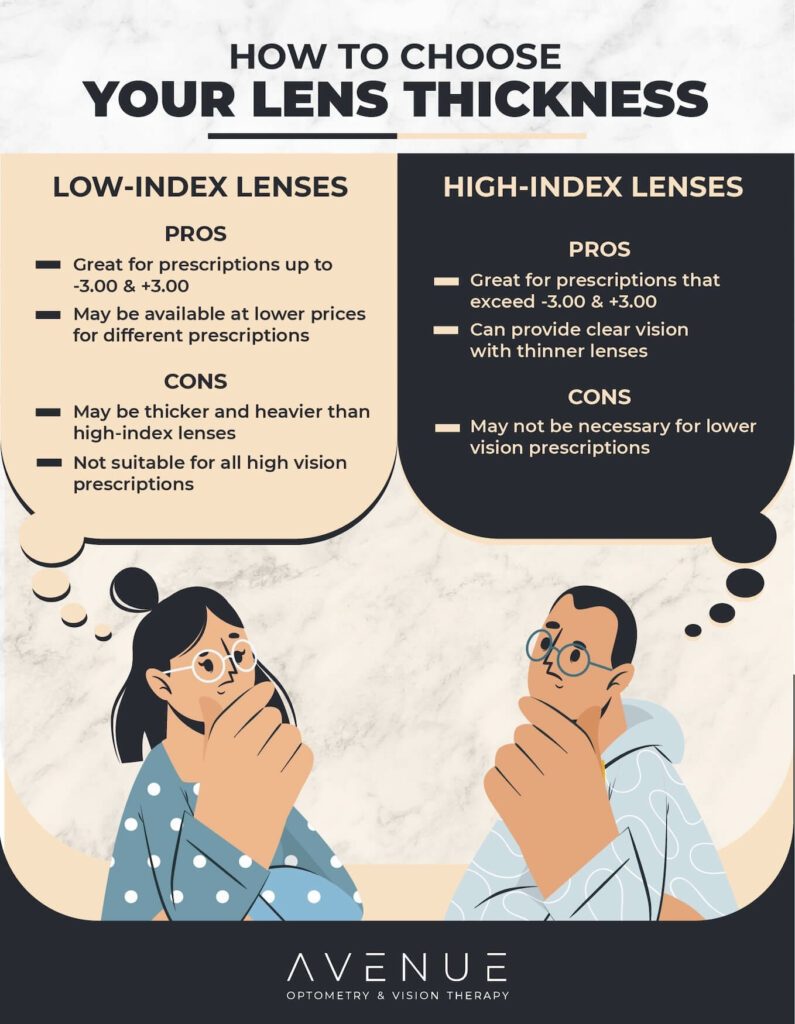
- Lenses: The type of lens material (e.g., plastic, polycarbonate, high-index), lens design (e.g., single vision, bifocal, progressive), and your specific optical prescription requirements affect cost. Higher index lenses needed for strong prescriptions often cost more.
- Coatings: Add-ons like anti-reflective coating, scratch resistance, UV protection, and blue light filters increase the final price.
Tips for finding affordable optical products include:
- Looking for sales and discounts offered by online and brick-and-mortar stores.
- Choosing more basic frame materials and lens options if budget is a primary concern.
- Utilizing your vision insurance benefits. Many online and physical retailers accept insurance plans, significantly reducing your out-of-pocket prescription glasses cost.
- Leveraging Flexible Spending Accounts (FSA) or Health Savings Accounts (HSA) funds, which can typically be used for qualified medical expenses like prescription eyewear.
Finding affordable glasses that correctly match your optical prescription is crucial for both eye health and budget. Visiting the linked page can help you explore options that align with your specific optical prescription needs and preferences.
【Prescription Lenses and Eyewear Trends】

Once you have your optical prescription, selecting the right lenses and frames is key to optimal vision and personal style. The variety of options available in 2025 caters to diverse visual needs and fashion preferences. Understanding the different types of lenses and current trends helps you make the best choice for your new prescription glasses.
Types of Prescription Lenses
Your optical prescription specifies the power needed to correct your vision, but the lens type determines how that correction is applied across different distances. Different lens designs serve distinct purposes based on your lifestyle and visual requirements.
types of prescription lenses
Navigating the various types of prescription lenses is essential when ordering corrective eyewear. Each type addresses specific vision challenges:
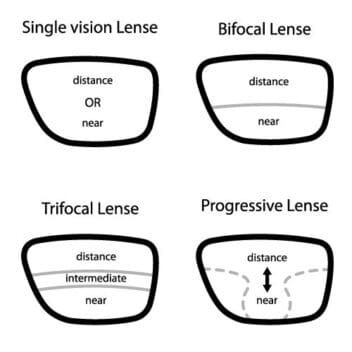
- Single Vision Lenses: These are the most common type, correcting vision for a single distance, such as for reading (near vision) or for driving (distance vision). If your optical prescription only shows power values under SPH and possibly CYL/Axis but no ADD value, you likely need single vision lenses.
- Bifocal and Progressive Lenses: For those who need correction for multiple distances, like both near and far vision. Bifocal lenses have a distinct line separating the distance and near portions. Progressive lenses offer a seamless transition between distance, intermediate, and near vision without a visible line, providing a more natural viewing experience. These are necessary when your eye glass prescription includes an ADD power. Understanding these options is part of a complete eye glass prescription guide that helps clarify what your unique vision needs require.
- Blue Light Blocking Lenses: Designed to filter out a portion of high-energy visible (HEV) blue light emitted from digital screens. These lenses are popular for reducing digital eye strain associated with prolonged computer or phone use, particularly relevant in 2025's screen-heavy world.
- Photochromic Lenses: These lenses automatically darken when exposed to UV light outdoors and become clear indoors. They offer convenience by combining your prescription glasses and sunglasses into one pair, adapting to changing light conditions.
Choosing the right lens type based on your optical prescription and lifestyle is crucial for comfortable and effective vision correction.
Impact of blue light on eyes
The increasing use of digital devices has brought attention to the impact of blue light on eyes. While blue light is naturally present in sunlight, concerns exist about prolonged exposure from screens.
Research suggests potential effects of blue light exposure include contribution to digital eye strain symptoms like dry eyes, headaches, and blurred vision. Some studies also explore the potential disruption of sleep patterns due to evening exposure to blue light, which can suppress melatonin production. Blue light blocking lenses aim to mitigate these potential issues.
However, it's important to note that the long-term effects of screen-emitted blue light on eye health are still being studied. While blue light blocking lenses can help reduce digital eye strain for many users, they do not replace the need for regular breaks from screens and ensuring proper lighting. The effectiveness varies depending on the specific lens coating and the amount of blue light filtered. When considering these lenses for your optical prescription, discuss their benefits and limitations with your eye care professional.
Latest Eyewear Trends
Eyewear in 2025 is not just about correcting vision with your optical prescription; it's also a significant fashion statement. The latest trends focus on a mix of retro inspiration, modern minimalism, and conscious consumption.
what are the latest eyewear trends?
Staying current with what are the latest eyewear trends can help you choose frames that reflect your personality while fulfilling your optical prescription needs. Current styles embrace bold shapes, unique materials, and expressive colors.
Retro-inspired frames remain popular, with updated takes on classic round, square, and cat-eye shapes. Oversized frames continue to trend, offering a dramatic look. On the other end of the spectrum, minimalist designs with thin metal frames or barely-there rimless styles are also prominent.
Color palettes range from classic neutrals like black, tortoise, and clear to vibrant hues and interesting patterns, allowing for personalization of your prescription glasses. Mixed materials, combining metal and acetate, offer interesting textures and designs.
frame styles for prescription glasses
When selecting frame styles for prescription glasses, consider how the shape and material complement your face shape and lifestyle. Lightweight materials like titanium are popular for comfort, especially for those with strong optical prescriptions that result in thicker lenses.
A significant trend in 2025 is sustainability in eyewear. Consumers are increasingly looking for eco-friendly frame materials, such as recycled plastics, biodegradable acetate, wood, or bamboo. Many brands are also focusing on ethical sourcing and production methods, aligning with a growing desire for more conscious consumption in all product categories, including optical products. Choosing sustainable frames allows you to wear stylish corrective eyewear that feels good in more ways than one.
Innovation
Innovation continues to shape the eyewear industry, making getting and wearing prescription glasses more convenient. One notable development in 2025 is the launch of initiatives like ThinOptics' Prescription on Demand glasses. This type of innovation aims to simplify the process of obtaining basic optical prescription lenses quickly, potentially through partnerships with retailers, offering faster access to corrective eyewear for common prescriptions. These advancements highlight the industry's efforts to meet consumer needs for speed, accessibility, and portability in receiving optical products based on their vision requirements.
Prescription Sunglasses: Combining Vision Correction with Sun Protection
For anyone wearing prescription glasses, prescription sunglasses are an essential item, especially in 2025. They offer the critical combination of clear vision based on your optical prescription and protection from harmful UV rays.
benefits of prescription sunglasses
The benefits of prescription sunglasses are significant for maintaining eye health and comfort outdoors. Unlike regular sunglasses which only provide tint and UV protection (if specified), prescription sunglasses incorporate your exact optical prescription into the lenses. This means you get sharp, corrected vision while simultaneously shielding your eyes from ultraviolet radiation, which is crucial in preventing long-term damage like cataracts and macular degeneration.
Comparing prescription sunglasses vs regular sunglasses, the key advantage of the prescription version is seamless vision correction. There's no need to switch between your regular glasses and sunglasses, ensuring clear sight whether you're driving, reading outdoors, or simply enjoying the sun. This customized vision correction is vital for safety and comfort.
A common question is, are polarized lenses good for driving? Yes, polarized lenses are excellent for driving and other outdoor activities. They contain a special filter that blocks intense reflected light, reducing glare from surfaces like roads, water, or snow. This improves visibility, reduces eye strain, and enhances contrast, making them a highly recommended addition to prescription sunglasses for anyone who drives frequently or spends time on the water or slopes. Ensuring your lenses match your optical prescription while offering these protective features is paramount. Exploring options at the linked page can help you find sunglasses that correctly address your optical prescription needs while providing essential sun protection and glare reduction features like polarization.
【Maintaining Eye Health】
Maintaining good eye health is crucial, even after you've obtained your optical prescription and the perfect pair of corrective eyewear. Regular check-ups and proactive habits play a vital role in preserving your vision and ensuring your optical prescription remains accurate for your current vision needs.
Optical Prescription Validity
Understanding how long your optical prescription is valid is key to ensuring your prescription glasses are always providing optimal vision correction. Using an expired prescription can lead to discomfort, headaches, and potentially hinder proper vision development or maintenance.
optical prescription validity
So, how long is an optical prescription valid? Generally, the validity of an optical prescription in 2025 varies depending on your location and the specific regulations in place. In most regions, an eye exam and the resulting optical prescription are valid for one to two years.
This timeframe is set because your vision can change over time. Regular eye exams are not just about getting a new optical prescription; they allow your eye care professional to monitor your overall eye health, check for early signs of conditions like glaucoma or macular degeneration, and ensure your current corrective eyewear is still suitable for your vision needs. Having an up-to-date optical prescription ensures you receive the best possible vision correction and proactive care.
Vision Care Resources
Accessing quality vision care and affordable optical products is essential. While an optical prescription covers your lens power, the costs associated with eye exams, medications, and discounted eye glasses or contact lenses can add up. Fortunately, resources exist to help manage these expenses.
Drug Discount Card Helps Fill the Gaps in Medical Eye Care
For individuals needing assistance with the costs of eye medications or other medical devices related to their vision, a drug discount card can be incredibly helpful. For example, a free drug discount card offered through initiatives like the American Academy of Ophthalmology’s EyeCare America program can potentially provide savings on prescription medications and medical supplies your doctor might recommend based on your eye health or vision condition.
Additionally, once you have your optical prescription in hand, finding discounted eye glasses is a common goal. Many online retailers and some brick-and-mortar stores offer competitive pricing on frames and lenses, making corrective eyewear more accessible. Shopping around with your valid optical prescription can lead to significant savings on your next pair of prescription glasses. Finding affordable options that match your optical prescription and style is straightforward when you know where to look. To explore options for your specific needs, including frames suitable for complex prescriptions or simply finding stylish and affordable pairs, visiting a comprehensive eyewear retailer can be beneficial. Explore optical prescription glasses options online to find suitable frames and lenses that meet your current vision requirements without breaking the bank.
Eye Health Tips for Digital Eye Strain
In today's digitally connected world, spending long hours in front of screens is common. This can lead to discomfort known as digital eye strain, regardless of whether you wear prescription glasses or not. Implementing simple habits can significantly reduce its impact and protect your eye health.
eye health tips for digital eye strain
Here are some essential eye health tips for digital eye strain in 2025. One widely recommended practice is the 20-20-20 rule. Every 20 minutes, look at something 20 feet away for at least 20 seconds. This gives your eye muscles a necessary break from focusing up close.
Ensuring proper screen distance and lighting is also crucial. Position your screen about an arm's length away and slightly below eye level. Adjust lighting to minimize glare on your screen, which can contribute to eye fatigue. Avoiding overhead lights shining directly onto your screen or into your eyes helps.
Equally important is the simple act of blinking and taking breaks. People tend to blink less when using screens, leading to dry eyes. Make a conscious effort to blink fully and frequently. Beyond the 20-20-20 rule, take longer breaks every couple of hours to step away from the screen and let your eyes and body relax. For those considering different lens options to alleviate screen-related issues, understanding choices like blue light filtering is key. You can learn more about how different lenses, including standard options often used for everyday vision like clear glasses, can interact with digital environments by reading related guides on maintaining eye comfort during screen time. Implementing these tips can make a big difference in managing the effects of prolonged screen use on your eyes, complementing the vision correction provided by your optical prescription.
Conclusion
In today's fast-paced digital world, optimizing your e-commerce website speed is not just a technical detail; it's a fundamental necessity for success. We've covered essential strategies, from image optimization and leveraging browser caching to implementing Content Delivery Networks (CDNs) and minifying code. Each of these steps contributes to a faster loading time, providing a smoother, more enjoyable experience for your customers. A speedy site reduces bounce rates, improves search engine rankings, and, most importantly, boosts your conversion rates and revenue. By implementing these techniques, you are not just fixing a technical issue; you are investing in the future growth and profitability of your online business. Make speed a priority, and watch your e-commerce store thrive in a competitive landscape.


Comments
Post a Comment