Missing Article Content
Dear user, the source article text required to generate the SEO introduction, conclusion, meta title, and meta description was not included in your prompt. Please provide the article content so I can fulfill your request according to the specified requirements, including incorporating keywords, addressing user intent, and using product links.
What are Clear Glasses?

Understanding what constitutes clear glasses goes beyond just their appearance. It involves looking at their fundamental makeup and how specific properties contribute to their remarkable transparency. Whether for eyewear, windows, or scientific instruments, the definition of "clear" hinges on material composition and optical performance.
Understanding Clear Glass Composition
The transparency and clarity of glass aren't accidental. They result from a precise combination of raw materials, heated and cooled under controlled conditions. This composition is key to achieving that desired crystal-clear look.
Ingredients for Clarity
The basic structure of most conventional glass relies on a few core components. These are melted together at very high temperatures to form a liquid that solidifies without crystallizing, creating an amorphous solid.
- Silica (SiO2): This is the workhorse ingredient, typically sourced from sand. Silica forms the backbone of the glass network. Its high melting point requires intense heat to process.
- Soda Ash (Na2CO3): Adding soda ash, or sodium carbonate, significantly lowers the melting point of silica. This makes the glass easier and more cost-effective to manufacture. However, it also makes the glass more soluble in water on its own.
- Limestone (CaCO3): Calcium carbonate, derived from limestone, is added to stabilize the glass. It improves the glass's durability and chemical resistance, counteracting the solubility introduced by soda ash.
- Optional Additives: Small amounts of other metal oxides can be included to fine-tune specific properties, such as enhancing thermal resistance or adjusting viscosity during manufacturing.
Key to High Transparency
While the basic ingredients form glass, achieving truly high transparency requires careful selection and processing, especially for products like clear lenses or display glass.
- Low Iron Content: Iron is a common impurity in silica sand. Even small amounts can impart a noticeable green tint to glass, especially in thicker sections. Low iron glass, also known as extra clear glass, uses specially sourced raw materials with minimal iron to ensure exceptional clarity and minimal color distortion. Data from 2025 manufacturing standards highlight the critical role of iron levels below 0.01% for optical-grade clarity.
- High Purity of Raw Materials: Beyond iron, other impurities in the sand, soda ash, or limestone can affect the glass's ability to transmit light cleanly. Using high-purity raw materials is essential to minimize absorption and scattering of light, ensuring maximal light transmission. This focus on purity is vital for optic glass used in high-performance applications. Addressing the search query "What is the clarity of clear glasses?" directly involves discussing the absence of these impurities and low iron content.
Exploring Clear Glass Properties
Beyond just its composition, the performance of clear glasses depends on a range of physical and optical properties. These characteristics dictate how light interacts with the glass and how the material holds up under various conditions.
Optical Properties
The defining features of transparent glass relate to how light passes through it.
- High Light Transmission: A key property is the amount of visible light that can pass through the material. High-quality clear glasses allow a very high percentage of light to transmit directly, typically over 90-95% for standard thicknesses. This answers the question "What is the light transmission of clear glasses?". Minimal light is absorbed or reflected by the material itself.
- High Transparency: This refers to the glass's ability to allow objects on the other side to be seen clearly and without distortion. Are clear glasses transparent? Yes, inherently so. High transparency means the glass is free from internal defects (like bubbles or inclusions) and surface imperfections that would scatter or distort light, ensuring objects viewed through the glass appear sharp and undistorted. This relates directly to "What is the clarity of clear glasses?".
- Refractive Index: The refractive index is a measure of how much light bends, or refracts, when it passes from one medium (like air) into the glass. For clear glasses, the refractive index is a specific value (around 1.52 for standard soda-lime glass) that determines how lenses bend light to correct vision or how prisms disperse light. Understanding "What is the refractive index of clear glasses?" is crucial for lens design and optical systems. Different types of optical clear glass may have varying refractive indices.
Physical Properties
Durability and resistance are also critical for the practical application of clear glass.
- Durability: Clear glasses must withstand daily wear and tear. This includes resistance to scratching (measured by hardness, often on the Mohs scale) and resistance to breakage from impact or stress. The strength of the glass network, influenced by the addition of limestone, contributes significantly to its overall toughness.
- Thermal Resistance: This property describes the glass's ability to withstand temperature changes without cracking or breaking (thermal shock resistance) and its softening point. Standard clear glasses have moderate thermal resistance, while specialized compositions, like borosilicate glass, offer much higher resistance, suitable for laboratory glassware or oven doors.
- Chemical Stability: Clear glasses are generally highly resistant to corrosion from most chemicals, including acids, bases, and solvents. This chemical inertness ensures that the glass surface remains clear and functional over time, even when exposed to various substances. This makes them ideal for containers, lab equipment, and protective covers. The stability imparted by calcium carbonate is key here.
Understanding the composition and properties of clear glasses is essential whether you're choosing eyewear or evaluating materials for other applications. If you're exploring options for vision correction, you might also be interested in understanding different lens types, including where to find inexpensive progressive lens glasses, which often use clear glass or plastic materials engineered for multifocal correction. To explore a wide range of clear glasses, including various frame styles and lens options tailored to these properties, you can find a selection by visiting this page. This link will help you discover options that match your specific needs for clarity and style.
How Clear Glasses are Made

Understanding the remarkable transparency and durability of clear glasses leads naturally to the question: how are they actually created? The journey from raw materials to the finished, optically perfect product involves a series of precise and carefully controlled steps. This manufacturing process determines everything from the glass's clarity to its strength and final form.
The Manufacturing Process of Clear Glass
Producing clear glass involves transforming simple, abundant raw materials into a complex, amorphous solid. It's a process refined over centuries, combining chemistry, physics, and engineering to achieve the desired optical and physical properties.
Raw Material Preparation
The first crucial step in making transparent glass is getting the ingredients right. This involves sourcing, preparing, and blending the key components that will form the glass structure.
Mixing is a precise process where the primary ingredients – silica sand, soda ash, and limestone – are weighed and combined in carefully calculated proportions. Recycled glass, known as cullet, is often added to this mix. Including cullet helps lower the melting temperature and reduces the energy required for production, making the process more sustainable.
Quality Control at this stage is paramount. Ensuring the purity and consistency of the raw material mix is vital. Impurities, particularly iron oxides as mentioned in the previous section, must be kept at extremely low levels, especially for high-clarity glass intended for optical or display applications. Consistent particle size and moisture content in the sand are also monitored to ensure a smooth melting process.
Melting
Once the raw materials are perfectly mixed, they are transported to a furnace for Melting. This stage requires extremely High Temperature, typically ranging from 1500 to 1600 degrees Celsius (2700-2900°F). These intense temperatures are necessary to break down the raw materials and allow them to fuse together.
Inside the Furnace, the mixture transforms into a Molten Glass state. At this point, it is a viscous liquid, free from crystalline structure. Bubbles formed by gases released during the melting process must be removed or allowed to rise to the surface and dissipate; this process is called "fining" and is critical for achieving truly clear glass without internal defects.
Forming
With the glass now in a molten state, the next step is to give it its desired Shape. The method used for Forming depends entirely on the final product.
The Float Process is the most common method for producing large, flat sheets of Standard Clear Glass used in windows and doors. In this process, the molten glass is poured onto a bath of molten tin. Because tin is denser than glass and has a perfectly flat surface, the glass floats on top and spreads out evenly under gravity, creating a sheet with parallel surfaces that are exceptionally smooth and flat.
Other methods are used for different products. Casting involves pouring molten glass into molds. Blowing is used for containers like bottles. Pressing uses pressure to shape glass in molds, often for tableware or structural components. For eyewear clear glasses, specialized pressing or molding techniques are often employed to create lens blanks, which are then ground and polished. When discussing eyewear, it's interesting to note that while completely new glasses are manufactured, sometimes people choose to replace just the lenses in their existing frames; you can find information on getting new lenses in existing frames if you're only looking to update your vision correction or lens type. To explore options for complete pairs of clear glasses with various frame and lens forming styles, you can view a selection available on this page. Visiting this link can help you see the variety of finished products resulting from these forming processes.
Annealing
After forming, the glass must undergo Annealing. This critical step involves Controlled Cooling the glass slowly and evenly in a special oven called a lehr. Glass cools rapidly when left alone, which causes differential contraction and creates Internal Stresses within the material. These stresses can make the glass brittle and prone to shattering unexpectedly.
By slowly reducing the temperature over a precise schedule, Annealing allows the glass molecules to relax and align, relieving these stresses. This controlled process helps Prevent Cracking and significantly increases the finished glass's strength and durability. For some applications, like safety glass, further tempering processes are used to introduce controlled surface stresses for even greater strength.
Cutting and Finishing
The final stages involve transforming the annealed glass into its usable form. Precision Cutting is used to cut the glass sheets or shapes into the required dimensions. Diamond saws, water jets, or automated laser cutters are employed depending on the thickness and precision needed.
Edge Finishing follows, which can involve grinding, polishing, or sealing the edges. Grinding removes sharp edges for safety and prepares the surface for subsequent processes like tempering or laminating. Polishing is done for aesthetic purposes or for optical components to ensure smooth, light-transmitting surfaces. For clear eyewear lenses, this stage is particularly detailed, involving precise grinding and polishing to achieve the exact prescription and surface curvature. To see examples of finished products that have gone through these cutting and finishing steps, explore the collection of clear glasses available by clicking here. This link will take you to a range of ready-to-wear options, showcasing the result of careful crafting.
Types of Clear Glass Manufacturing
While the basic process of melting, forming, and annealing applies widely, variations exist depending on the desired properties and applications of the Clear Glass. Different manufacturing techniques yield different types of glass suited for specific uses.
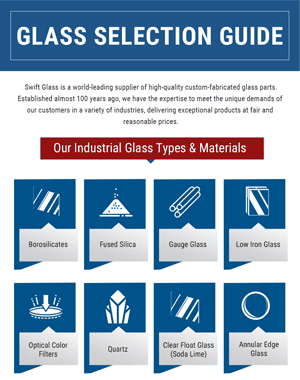
Float Glass
As mentioned earlier, Float Glass is the backbone of many industries. It's the Standard Clear Glass produced in large, flat sheets via the float process. Its high optical clarity and flat surface make it ideal for Windows in buildings and vehicles, glass Doors, and tabletops or shelves in Furniture. It provides excellent light transmission and visibility for everyday applications.
Low-Iron Glass
For applications demanding the highest level of clarity and neutrality, Low-Iron Glass is manufactured. This specialized glass production process begins with Raw Material Preparation using silica sand that has a significantly Reduced Iron Content compared to standard sand. Even tiny amounts of iron can impart a green tint, which becomes more noticeable in thicker glass.
Removing most of the iron results in glass with greatly Enhanced Clarity and Color Neutrality. This is often referred to as High Transparency Glass or Optical Clarity Glass because it allows maximum light transmission with virtually no color distortion. Low-iron glass is essential for applications like solar panels, museum display cases, high-end architectural glazing, and specialized Optical Glass where pure, undistorted light passage is critical. If you are looking for clear glasses that prioritize this exceptional level of clarity, particularly for vision correction or aesthetic purposes where color fidelity is important, exploring options made with Low-Iron Glass is recommended. You can find various styles of clear glasses, potentially highlighting those with superior optical properties, by clicking this link. Visiting this page allows you to see how different manufacturing techniques result in the finished products available.
Advantages and Applications of Clear Glasses
Having explored the meticulous process of manufacturing clear glasses, from raw materials to finished products, it's time to delve into why this material is so widely valued. The unique properties of transparent glass offer numerous benefits that make it indispensable across a vast range of applications in 2025. Understanding these advantages helps clarify why clear glass remains a fundamental material in modern design and technology.
Benefits of Using Clear Glass
The inherent qualities of clear glass provide compelling advantages that impact aesthetics, functionality, and even well-being. Its ability to transmit light and offer unobstructed views is central to its appeal and utility.
Aesthetic Appeal
One of the most immediate benefits of clear glass is its impact on visual aesthetics. It acts as a virtually invisible barrier, allowing light and views to pass through unimpeded.
Unobstructed Views are perhaps the most significant aesthetic advantage. Using transparent glass in windows or partitions maximizes natural light penetration, brightening interiors and creating a sense of openness. This connection to the outside environment can enhance the perceived size of a space and improve its overall ambiance.
It also contributes to a Modern Look in architecture and design. The sleek, clean lines and minimalist quality of high-clarity glass complement contemporary styles, providing a sophisticated and elegant appearance that is highly sought after in 2025.
The Versatility of clear glass in design is unparalleled. It can be seamlessly integrated into almost any style, from traditional to futuristic, without clashing with other materials or colors. Its neutrality makes it a foundational element that enhances the surrounding design.
Functional Advantages
Beyond aesthetics, clear glass offers substantial functional benefits that contribute to comfort, efficiency, and safety.
Energy Efficiency is a key functional aspect, particularly in architectural applications. Clear glass windows allow significant solar heat gain during colder months, helping to warm interior spaces naturally and potentially reducing heating costs. While this needs balancing with shading in summer, the principle of leveraging natural light and heat is valuable.
Promoting Health Benefits is another advantage linked to the transmission of natural light. Exposure to natural light is known to improve mood, regulate sleep patterns, and boost productivity. Using clear glass maximizes this exposure indoors, creating healthier and more pleasant living and working environments.
Regarding Safety, clear glass can be engineered for enhanced strength. Through processes like tempering or lamination, standard transparent glass is transformed into safety glass that is much more resistant to impact and less likely to cause injury if it breaks. This addresses the query "What are the advantages of clear glass?" by highlighting its adaptability for increased structural integrity and user protection. To explore functional clear glasses, including options designed for durability or specific optical needs, you can browse a selection available by clicking here. This link showcases products where functionality, such as impact resistance or optical performance, is a key benefit.
Versatile Applications of Clear Glass
The unique properties of clear glass lend themselves to an incredibly diverse range of applications across numerous industries. Its ability to transmit light, combined with its potential for strength and precision, makes it a material of choice for countless products and structures in 2025.
Architectural Uses
In architecture, clear glass is fundamental. It shapes how we interact with buildings, allowing light and views while providing shelter. These are common "Applications in architecture" for clear glass.
Windows and Doors are perhaps the most common use, maximizing natural light entry and offering unobstructed views, essential for residential and commercial buildings.
Facades crafted from clear glass create sleek, modern building exteriors that reflect the sky and surroundings, making structures appear lighter and more integrated with their environment.
Skylights use transparent glass to bring natural light deep into interior spaces, illuminating areas that windows cannot reach and reducing the need for artificial lighting during the day.
Interior Partitions made of clear glass divide spaces without creating visual barriers. This maintains an open, airy feel in offices and homes while still providing acoustic separation and defining distinct areas.
Optical and Technical Uses
The high transparency and optical clarity of clear glass make it essential for precision applications. These are key "Applications in optics" and other technical fields.
Lenses and Prisms are classic examples, used in optical instruments like telescopes, microscopes, and cameras due to their ability to bend and transmit light with minimal distortion.
Scientific Instruments often incorporate clear glass components, such as beakers, test tubes, and viewing ports in laboratory equipment, valued for their transparency, chemical resistance, and ability to withstand temperature changes.
Display Cases made from clear glass provide maximum clarity for showcasing products in retail, artifacts in museums, or collections in homes, protecting contents while allowing perfect visibility. When considering eyewear, the function of clear glass or plastic lenses is paramount, but the frame is also a critical component affecting fit, style, and durability. For instance, understanding the combination of materials and design in glasses frames clear lenses is important when choosing eyewear that is not only optically correct but also aesthetically pleasing and comfortable to wear. This link provides insights into selecting the right frames and lenses for your vision needs.
Novel application
Innovation continues to expand the uses of clear glass. A notable novel application published in 2025 involves developing an "all-weather sustainable glass surface integrating a triboelectric nanogenerator and radiative cooler". This advanced form of transparent glass can harvest energy from friction (like wind or rain) and simultaneously cool the surface by radiating heat. Such developments highlight the ongoing research into enhancing the functional capabilities of clear glass, pushing its potential beyond traditional roles in architecture and optics towards active energy management and environmental control. To explore finished products, including potentially advanced materials or standard, high-quality clear glasses suitable for various applications from eyewear to architectural elements, you can view options available by clicking this link. Visiting this page can help you discover the wide array of ready-to-use clear glasses and related products.
Clear Glass vs. Other Glass Types

Having explored the numerous advantages and versatile applications of clear glass in 2025, it's crucial to understand how it stacks up against other common types of glass. While standard transparent glass offers unparalleled clarity, other variants serve specific purposes that necessitate different visual properties. This comparison helps clarify why clear glass is chosen in certain scenarios and when other options might be more suitable. Furthermore, even within the category of clear glass, there are distinct types, each offering varying levels of transparency and added features.
Comparing Clear Glass to Other Types
When considering different glass types, the primary distinction often lies in their interaction with light and ability to transmit or obscure vision. Clear glass sets the benchmark for maximum light transmission and clarity.
Tinted Glass
Compared to clear glass, tinted glass has color added during manufacturing or applied as a film afterward. This coloring results in Less light transmission than clear glass, directly addressing the search query "How does clear glass compare to other types of glass?".
Tinted glass Offers privacy and reduces glare by absorbing or reflecting a portion of incoming light. However, this comes at the cost of clarity. The view through tinted glass is not as crisp or natural as through transparent glass, and interior spaces may feel darker even during the day. It is often used in vehicles or buildings where solar heat gain and privacy are key concerns.
Frosted Glass
Frosted glass is created by sandblasting or acid etching the surface of standard glass, or by applying a special film. This process Obscures vision for privacy but diffuses light.
Unlike clear glass, which allows sharp, direct views, frosted glass provides a translucent barrier. While light still passes through, it is scattered, making images blurry and preventing direct visibility. This Diffusion reduces clarity significantly. It's commonly used in bathrooms, interior doors, or office partitions where light is desired but visual privacy is paramount.
Reflective Glass
Reflective glass, also known as mirror glass or solar control glass, has a metallic coating that reflects a significant amount of sunlight and heat. This property Reduces heat gain within buildings, contributing to energy efficiency, particularly in hot climates.
However, the metallic coating Reflects the outside environment, impacting clarity from the interior perspective, especially at night when interior lights are on. From the outside, it creates a mirror-like appearance. While effective for solar control, it does not offer the same level of unhindered, natural view provided by high-clarity glass. It's often used in large commercial buildings.
Types of Clear Glass
Even when the requirement is for maximum transparency, not all "clear" glass is the same. Variations in composition and processing lead to different types of clear glass, each with specific characteristics and applications. This addresses the query "What are the different types of clear glass?".
Extra Clear Glass
Extra clear glass, often marketed under names like low-iron glass, is manufactured using raw materials with an Extremely low iron content. Standard float glass contains small amounts of iron oxide, which imparts a slight green tint visible especially on the edges of thicker panes.
Extra clear glass minimizes this green tint, resulting in the Highest level of clarity and light transmission possible. It provides a crystal-clear view and renders colors more accurately. Due to its superior transparency, Extra clear glass is ideal for applications where true color representation and maximum light penetration are critical, such as high-end display cases, solar panels, museum exhibits, and architectural elements where the edge of the glass is visible.
Standard Clear Glass
Standard clear glass, also known as float glass, is the most Commonly used for general applications. It is produced by floating molten glass on a bed of molten metal, typically tin, creating a uniformly flat and clear sheet.
This type Offers good clarity at a lower cost compared to extra clear glass. While it has a faint green tint, it is generally not noticeable in typical window or door applications unless the glass is particularly thick or viewed from the edge. It serves as the foundation for many other glass products, including tempered and laminated glass. It is widely used in residential windows, picture frames, and standard architectural glazing in 2025.
Coated Clear Glass
Coated clear glass starts with either standard or extra clear glass and adds specialized coatings to the surface. These coatings enhance the glass's performance characteristics without significantly compromising its transparency.
Clear glass with added coatings can provide numerous enhanced properties. Examples include low-emissivity (low-E) coatings that improve thermal insulation, coatings for UV protection to reduce fading of interiors, anti-reflective coatings that minimize glare, and easy cleaning or self-cleaning coatings that reduce maintenance. These coatings allow the base clear glass to perform additional functions, making it more versatile and energy-efficient for specific applications like energy-efficient windows or glare-free display screens. When choosing eyewear, for instance, the clarity of the lenses is paramount, but the structure holding them is equally important. The discussion around different types of clear glass lenses highlights optical performance, but the frame choice, including frames for prescription eyeglasses, significantly impacts comfort, fit, and style. Understanding frame materials and designs, as explored through this link, is crucial when selecting eyewear that integrates perfectly with the chosen lens type for optimal vision and aesthetics. To explore various options of high-quality clear glasses, including those potentially featuring advanced coatings or extra-clear properties suitable for different needs, you can view a selection of available products by clicking here. Browsing this link can help you discover finished goods that utilize different types of transparent glass tailored for specific performance requirements.
Understanding Clear Glasses

Having explored the diverse landscape of glass types and the unique properties of clear glass in architectural and general applications in 2025, we now shift focus to its crucial role in personal vision—specifically, clear glasses designed for eyewear. Unlike the broad category of transparent materials, clear glasses in the context of corrective eyewear serve a singular, vital purpose: providing crystal-clear vision without altering color perception or light transmission through tinting. This distinction is key to understanding their function and benefits for millions relying on them daily.
What are Clear Glasses?
In the realm of optics and eyewear, the term clear glasses refers to eyeglasses equipped with lenses that are completely transparent, allowing light to pass through without any added color or significant filtration. These lenses are primarily designed for vision correction or protection, prioritizing visual accuracy above all else. They are the standard form of prescription eyewear.
Definition and Basic Functionality
Clear glasses technology centers on providing unimpeded vision correction. Their basic functionality is to bend light precisely as needed to compensate for refractive errors in the eye. This ensures that light focuses correctly on the retina, allowing for sharp, clear sight. The lenses themselves are crafted from highly transparent materials, often plastic polymers or specialized glass, that offer minimal distortion and maximum light transmission.
Vision correction is the core purpose. Clear glasses effectively address common refractive errors such as myopia (nearsightedness), hyperopia (farsightedness), and astigmatism (blurred vision caused by an irregularly shaped cornea or lens). By wearing clear glasses with the appropriate prescription, individuals can see distant objects clearly, read up close, or achieve overall sharper focus depending on their specific needs. The absence of tint means the wearer perceives the world in its natural colors and brightness.
Benefits of Wearing Clear Glasses
Opting for clear glasses offers a range of practical and aesthetic advantages that make them the preferred choice for many individuals requiring vision correction in 2025. Their straightforward design and function translate into everyday usability and versatility.
Advantages of Clear Lenses
The primary benefit of clear lenses is unmatched clarity and color accuracy. Unlike tinted lenses, which can slightly alter how colors are perceived, transparent lenses ensure that the wearer sees the world in true-to-life hues. This is crucial for tasks requiring precise color identification or simply for enjoying the visual richness of the environment. Light transmission is maximized, meaning fewer adjustments are needed when moving between different lighting conditions.
Versatility is another significant advantage. Clear glasses are suitable for virtually any environment or activity. They perform equally well indoors under artificial light or outdoors in bright sunlight (though additional UV protection might be added as a coating). They are appropriate for professional settings, casual outings, driving, reading, and most sports where eyewear is permissible. Their adaptability makes them a reliable everyday accessory. When considering options, finding affordable yet quality choices can be a priority for many; exploring places offering cheap specs online provides access to a wide variety of frames and lens types.
Beyond functionality, fashion and style play a crucial role. Embracing current clear glasses design trends allows wearers to express their personality. Because the lenses themselves are unobtrusive, the focus shifts to the frame. Frame materials, shapes, and colors offer endless possibilities, making clear glasses a significant fashion statement. From minimalist metal frames to bold acetate designs, there's a style to complement any look or occasion. To explore a wide variety of clear glasses options, including different frame styles and potentially advanced lens coatings that enhance clarity and durability, browsing available selections can provide a comprehensive overview of what's available. Clicking here allows you to view numerous types of transparent eyeglasses and spectacles designed for vision correction, helping you find the perfect pair that combines optimal function with desirable aesthetics.
【Clear Glasses and Eye Health】
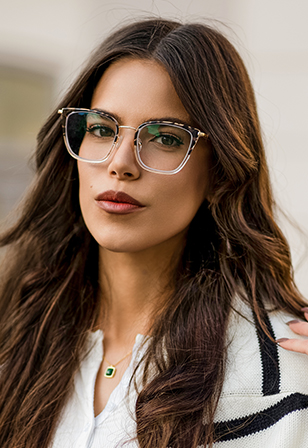
Beyond their primary function of vision correction, clear glasses are increasingly viewed through the lens of broader eye health in 2025. Users are often concerned about the impact of digital devices and the aging process on their vision. Understanding how standard transparent lenses interact with modern visual challenges like blue light and digital screens, as well as their role in addressing age-related conditions like presbyopia, is crucial.
Blue Light Protection with Clear Glasses
The proliferation of digital screens has brought attention to blue light and its potential effects on eye health. Many individuals wonder if their standard clear eyeglasses offer any protection against this type of light emitted by computers, smartphones, and tablets. It's important to distinguish between standard clear lenses and those specifically engineered for blue light filtration.
Debunking Myths and Facts
A common question in 2025 is: do clear glasses protect from blue light? The fact is, standard, untinted transparent lenses do not inherently block significant amounts of blue light. Their effectiveness is minimal compared to specialized blue light glasses. While all lenses absorb some light, standard clear lenses are designed for maximum light transmission across the visible spectrum, including the blue light range.
Comparing Clear Glasses vs Blue Light Glasses, the primary difference lies in the lens coating or material. Specialized blue light glasses feature filters that selectively absorb or reflect a portion of high-energy blue-violet light. Standard clear glasses lack this specific filtration layer. Therefore, if blue light protection is a priority, opting for clear lenses with an added blue light filtering treatment is necessary, as the base clear lens material typically does not provide this benefit.
Addressing Eye Strain with Clear Glasses
Digital eye strain, also known as Computer Vision Syndrome, is a prevalent issue in 2025 due to extensive screen time. Symptoms include dry eyes, headaches, and blurred vision. Many seek ways to mitigate this discomfort, and the role of their everyday clear eyeglasses in this context is often questioned.
The Role of Clear Glasses in Reducing Digital Eye Strain
Are clear glasses good for computer use? For individuals with refractive errors, wearing their prescribed transparent glasses is essential for reducing eye strain during screen time. Correcting blurry vision is the first step in preventing the eyes from working harder than necessary. Uncorrected vision forces the eyes to constantly struggle for focus, which is a major contributor to digital eye strain.
When considering Clear Glasses for Eye Strain, simply having the correct prescription is the most critical factor. Beyond correction, certain lens features can further alleviate digital fatigue. For instance, anti-reflective coatings on clear lenses can reduce glare from screens and overhead lighting, improving visual comfort. While standard clear lenses correct vision, adding these optional features enhances their ability to make computer use more comfortable.
Clear Glasses for Presbyopia
As people age, typically after 40, the eye's lens naturally stiffens, making it difficult to focus on close objects. This condition is called presbyopia. While it's a natural part of aging, it requires vision correction for reading and near tasks. Clear glasses serve as a fundamental solution for correcting presbyopia.
Understanding Vision Correction
Clear Glasses for Presbyopia come in various forms. The most common are simple reading glasses, which have a single magnifying power across the entire lens. Another popular option is using standard distance prescription transparent lenses with the addition of a segment for near vision, as seen in bifocals or trifocals. For seamless vision at multiple distances, progressive lenses offer a gradual power transition within a single clear lens, providing clarity for distance, intermediate, and near vision. Understanding the nuances of options like multifocus reading glasses is key for those experiencing this age-related change, allowing clear sight at various distances without switching glasses.
While glasses are the primary correction method, it's worth noting novel approaches like PresVu eye drops for reading are being explored in 2025. These drops aim to temporarily improve near vision by affecting pupil size or lens flexibility. Examining PresVu eye drops effectiveness involves reviewing clinical trial data, which suggests potential but also limitations in duration and degree of vision improvement compared to consistent optical correction provided by clear glasses. PresVu eye drops side effects can include temporary stinging, redness, or blurred distance vision, which must be weighed against the benefits. Despite alternative treatments, reliable clear glasses remain the standard and often preferred method for consistent, comfortable reading vision correction for presbyopia. Exploring the variety of transparent eyeglasses available can help individuals find the optimal solution for their specific vision needs related to presbyopia, offering clear and comfortable sight for everyday tasks. To see different styles and types of clear glasses designed for various vision correction needs, including options suitable for presbyopia, you can view available collections and potentially find frames and lenses that offer the right combination of clarity and style by clicking here.
【Understanding Clear Glasses】

Understanding clear glasses in 2025 involves recognizing them not just as tools for vision correction but also as sophisticated optical devices with various material compositions and functional enhancements. They are the standard for many vision needs, offering clarity and adaptability that colored or tinted lenses do not. Delving into their fundamental characteristics and available options helps consumers make informed choices about their eyewear.
Benefits of Clear Glasses
Clear glasses offer several distinct advantages that contribute to their widespread popularity and utility. Their fundamental design prioritizes clear, unobstructed vision, making them suitable for a vast range of activities and environments. These benefits extend beyond simple vision correction, influencing daily life and style.
Advantages over colored lenses
One primary advantage of clear lenses is their superior color perception. Unlike tinted or colored lenses that can alter the way you see colors, transparent lenses allow light to pass through without filtration. This ensures that you see the world in its true colors, which is crucial for tasks requiring accurate color recognition.
Their versatility in various settings is unmatched. Clear eyeglasses are appropriate for all lighting conditions, from bright sunlight (when combined with UV protection) to indoor lighting. You don't need to switch glasses depending on the environment, unlike sunglasses or specialized tinted lenses. This makes clear glasses a convenient and practical everyday choice for vision correction or as fashion eyewear.
Style and aesthetics
Beyond function, clear glasses have become a prominent fashion statement. The inherent simplicity of transparent lenses, often paired with minimalist frames (though they suit all frame types), creates a clean and sophisticated look. This minimalist approach in 2025 resonates with contemporary style trends.
Clear eyeglasses possess an inherent ability to complement any outfit, regardless of color, pattern, or formality. They provide a subtle yet stylish accent that doesn't clash with clothing choices. Their neutrality makes them incredibly adaptable, suitable for professional settings, casual outings, or formal events, solidifying their status as a versatile accessory in anyone's wardrobe.
Types of Clear Lenses
When selecting clear glasses, understanding the different types of transparent lenses available is crucial. Lens materials and coatings offer varying degrees of optical clarity, durability, weight, and functional benefits like blue light filtering. The choice of lens material significantly impacts the performance and comfort of your eyewear.
Optical Clarity
The material from which a clear lens is made directly affects its optical clarity and physical properties. Different materials offer trade-offs in terms of weight, thickness, impact resistance, and distortion. Selecting the right material ensures optimal vision and comfort.
Mineral Glass: Historically significant, mineral glass lenses offer superior optical clarity and excellent scratch resistance compared to many plastic options. However, in 2025, they are less common due to being significantly heavier and more prone to shattering upon impact, posing a safety risk.
Plastic Lenses: The most common type today, plastic lenses are significantly lighter and more impact-resistant than glass, making them safer and more comfortable for extended wear. Types include CR-39 (standard, good clarity), Polycarbonate (very impact-resistant, ideal for safety glasses and children), and High-Index (thinner and lighter for strong prescriptions). Each type of clear lens material has its own specific properties regarding clarity, durability, and density. When you need to buy prescription glasses online, understanding these material differences is key to choosing the right lens for your needs.
Blue Light Blocking
With increased screen time, clear lenses can now be enhanced to filter specific light wavelengths. This addresses modern visual concerns like digital eye strain while maintaining the aesthetic of clear eyeglasses.
Clear Pro Lenses: Many modern clear lenses come with optional coatings or are made from materials that incorporate blue light filtering properties. These "Clear Pro" or similar designations often indicate that the transparent lens provides precise color rendition and high fidelity vision while also blocking a significant portion of high-energy blue-violet light emitted by digital devices. This offers a balance between natural vision and modern protection.
Benefits of blue light glasses for eye strain: Integrating blue light filtering into clear lenses is specifically aimed at reducing digital eye strain. By filtering out some of the light that can contribute to eye fatigue, especially during prolonged computer or phone use, these enhanced clear glasses can make screen time more comfortable and potentially reduce symptoms like headaches and dry eyes. This is a key consideration for anyone spending hours in front of screens in 2025.
Blue Light Glasses: It's important to note that while many blue light blocking glasses have a subtle yellow or amber tint, many effective versions in 2025 utilize coatings or materials that appear almost entirely clear to the naked eye. These are essentially clear lenses with added functionality. So, when people search for "Blue Light Glasses," they are often looking for clear glasses with this specific protective feature.
For individuals exploring different types of clear glasses, including standard, enhanced, and various material options, you can find a wide selection tailored to different needs and styles. Exploring available collections can help you compare types and features to find the ideal pair that combines the benefits of clear lenses with the specific enhancements you require for your vision and lifestyle by clicking here.
【Choosing the Right Clear Glasses】

Selecting the ideal pair of clear glasses in 2025 goes beyond simply picking a frame style. It involves considering various factors that impact comfort, durability, and the specific visual needs of the wearer. This section guides you through the key elements to evaluate when making your choice.
Factors to Consider
Several critical aspects influence the performance and suitability of clear eyeglasses. Paying attention to these details ensures you select a pair that not only fits well but also provides optimal function and longevity.
Material of the Frame
The frame material plays a significant role in the weight, durability, and overall feel of your clear glasses. Modern materials offer a range of benefits catering to different preferences and lifestyles.
Italian Acetate: Known for its rich colors and patterns, Italian Acetate is a premium plastic often used in high-quality frames. It's lightweight, durable, and can be easily adjusted for a comfortable fit. This material provides a balance of style and resilience for everyday wear.
Aluminum Magnesium Alloy: This metal alloy is favoured for its exceptional strength-to-weight ratio. Frames made from Aluminum Magnesium Alloy are incredibly light, offering superb comfort for all-day wear. They are also durable and resistant to corrosion, making them a robust choice for transparent glasses.
Lens Technology
While clear lenses are fundamentally about unobstructed vision, the technology behind their creation varies significantly. The choice of lens material and incorporated features directly impacts optical quality and practical benefits.
Mineral glass vs plastic lenses: As discussed previously, mineral glass offers superior optical clarity and scratch resistance but is heavier and more prone to breaking. Plastic lenses (CR-39, Polycarbonate, High-Index) are lighter, more impact-resistant, and safer, particularly for active individuals or children. The "best" material depends on individual priorities regarding weight, durability, and required prescription thickness.
Mineral Glass Lenses: While less common now, some premium clear glasses in 2025 still utilize Mineral Glass, sometimes enhanced with modern coatings. These lenses are prized for unparalleled optical purity, minimal distortion, and inherent durability against scratches. Some advanced versions may even integrate subtle blue light filtering properties into the material itself.
Fit and Comfort
A comfortable fit is paramount for eyewear worn throughout the day. Well-designed clear glasses minimise pressure points and stay securely in place without being restrictive.
Lightweight designs: The overall weight of the glasses significantly impacts comfort. Choosing lightweight glasses, often achieved through materials like Acetate or Aluminum Magnesium Alloy and thin lens designs (especially High-Index for strong prescriptions), reduces the burden on your nose and ears.
Flexible spring hinges: These hinges are a key feature for comfort and durability. They allow the temple arms to flex outwards beyond the standard 90-degree angle. This flexibility helps the frames adapt to different head sizes, reduces pressure on the temples, and prevents the glasses from bending or breaking if accidentally pushed or pulled outwards. They ensure a more comfortable and forgiving fit for your clear eyeglasses.
Clear Glasses for Specific Needs
Clear glasses serve a variety of purposes beyond standard vision correction. Innovations in lens technology and frame design cater to specific lifestyle demands and medical conditions in 2025.
Vision Correction
The most common use for clear glasses is correcting refractive errors like nearsightedness, farsightedness, and astigmatism. Prescription clear glasses are customised to provide sharp, accurate vision based on an individual's eye examination.
These are essential vision correction devices, transforming blurry images into clear ones. When considering corrective lenses, understanding material options like CR-39, Polycarbonate, or High-Index is important for balancing clarity, thickness, and impact resistance. For those who wear contacts or don't need full-time correction, non-prescription or reader-strength clear glasses are also popular. It's worth noting that the technology for creating prescription lenses is highly advanced, applicable to various lens types, including sunglass prescription lenses online, which use similar processes for grinding and coating to achieve clarity and correction, just with added tinting.
Digital Eye Strain
In 2025, prolonged exposure to screens is a reality for many. Clear glasses designed to combat digital eye strain incorporate features that mitigate the negative effects of digital displays.
Brands like GUNNAR Optiks offer lenses such as their Clear Pro line. These clear lenses often feature specific coatings or materials engineered to filter a portion of blue light emitted by computers, tablets, and phones. The benefits of blue light glasses include reduced eye fatigue, fewer headaches, and potentially improved sleep patterns for individuals with high screen time. While often marketed separately, many clear glasses can be ordered with this integrated blue light filtering technology, appearing virtually invisible while providing protection.
Macular Degeneration
For individuals with low vision conditions like macular degeneration, specialised eyewear can significantly improve quality of life. While not always "clear" in the traditional sense due to complex optics, some assistive smart glasses fall into this category of enhancing vision through lenses and technology.
SolidddVision smart glasses, for instance, employ advanced optics like "fly eye lens technology" to enhance detail and contrast, aiding those with central vision loss. These smart glasses for macular degeneration act as 3D visual experience glasses, using computational power and display overlays to magnify objects or adjust contrast in real-time, providing a richer and more navigable visual environment than standard magnifying aids. While complex, their function is to make the world appear clearer and more accessible to the wearer.
Finding the right clear glasses involves weighing factors like frame material, lens technology, fit, and specific visual needs. To explore a comprehensive range of options including various styles, materials, and lens features designed to meet diverse requirements for clarity and comfort in 2025, you can browse available collections and filter by your preferences by clicking here.
【The Clear Glasses Revolution】
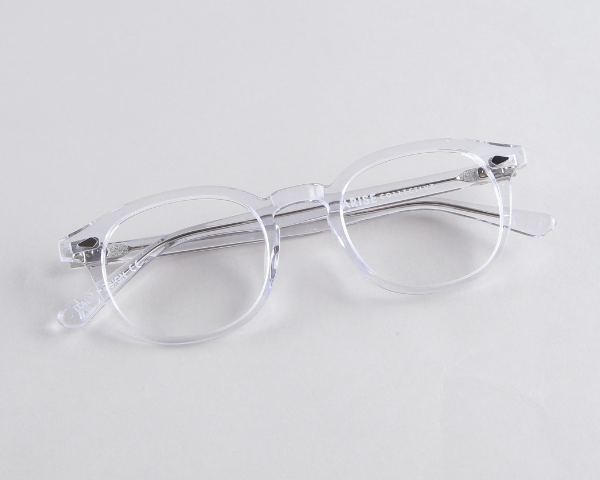
Clear glasses have evolved significantly beyond basic vision correction. In 2025, they represent a fascinating intersection of cutting-edge technology and modern fashion, transforming how we see and express ourselves. This revolution is driven by breakthroughs in lens design and the increasing integration of smart features, alongside the timeless appeal of transparent frame styles.
Technological Advancements
The forefront of the clear glasses revolution lies in sophisticated lens technology and integrated smart features. These innovations aim to not only improve vision but also enhance the wearer's interaction with the world.
Fly-Eye Lens Technology
Inspired by the multi-faceted eyes of insects, Fly-Eye Lens Technology is making waves in specialized clear lenses. This innovative approach mimics the way insect eyes capture light from multiple angles simultaneously.
The primary goal is to create a more immersive visual experience. This technology is being explored for applications in 3D visual experience glasses, providing depth and detail enhancement that goes beyond traditional lenses. It also holds promise for improving peripheral vision, offering a wider field of view which can be particularly beneficial for certain visual impairments or in dynamic environments.
Smart Glasses for Vision Correction
The integration of smart technology into clear glasses is creating powerful new tools for vision correction and enhancement in 2025. These devices combine optical clarity with computational capabilities.
SolidddVision glasses, for instance, are a prime example of smart glasses designed specifically for low vision conditions like macular degeneration. These assistive devices use embedded cameras and displays to process and present visual information in an optimized way for the wearer. Recent clinical trial results have shown promising outcomes, with users reporting significant reading improvement and enhanced ability to navigate their surroundings. These vision correction tools are pushing the boundaries of what traditional lenses can achieve.
Clear Glasses and Fashion
Beyond their technological capabilities, clear glasses are a significant fashion statement in 2025. Their understated elegance and versatility make them a popular choice for a wide range of personal styles.
Minimalist Trend
Clear glasses perfectly embody the minimalist trend that continues to influence fashion. The transparent or translucent frames offer a clean, uncluttered aesthetic.
Much like the popularity of a clear nail polish minimalist manicure for its subtle sophistication, clear eyeglasses provide an understated yet stylish accessory. They add a touch of polish without overpowering an outfit, making them ideal for those who prefer a less-is-more approach to their look. This style choice highlights the face rather than drawing attention solely to the eyewear itself.
Versatility and Adaptability
One of the key strengths of clear glasses in fashion is their inherent versatility and adaptability. Their neutral appearance ensures they complement almost any colour palette and personal style.
Whether dressing for a formal event, a casual outing, or professional settings, clear eyeglasses are suitable for any occasion. They transition seamlessly between different looks, unlike some bolder frame colours or styles that might clash. This makes them an incredibly practical and stylish addition to any wardrobe, providing effortless sophistication and ensuring you look polished no matter the setting. They offer a refreshing alternative to more traditional frame styles, much like exploring different trends in sunglasses fashion for UV protection and style in 2025 involves finding versatile designs that suit various face shapes and activities.
Finding the perfect pair that combines the latest in lens technology with your preferred style is easier than ever. To browse a wide selection of clear glasses featuring various frame materials, lens options, and designs that fit both technological needs and fashion preferences in 2025, you can visit the clear glasses collection page by clicking here. This link allows you to explore options discussed and find frames that match your specific requirements and style.
【Maintaining and Caring for Clear Glasses】
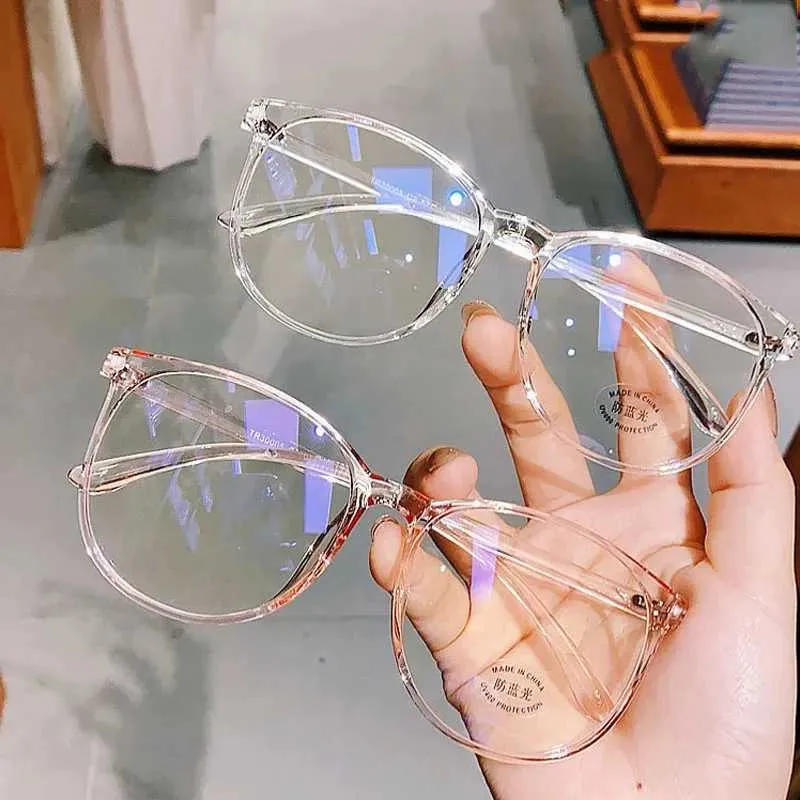
Proper care and maintenance are essential to keep your clear glasses looking their best and functioning optimally in 2025. Investing in quality eyewear means also committing to protecting that investment. Simple habits can significantly extend the lifespan and clarity of your lenses and frames.
Cleaning and Storage
Keeping your clear eyeglasses clean is the first line of defense against scratches and wear. Knowing the right techniques prevents accidental damage during routine maintenance.
Proper Cleaning Techniques
Always use a clean, lint-free microfiber cloth specifically designed for lenses. These cloths effectively remove smudges and dust without scratching the surface of your clear glasses. Gentle wiping is key.
Avoid using harsh chemicals like window cleaners, ammonia, or acetone. These can damage delicate lens coatings, causing streaks or clouding. Use dedicated lens cleaning spray or mild soap and water for a thorough clean, then rinse well and dry with your microfiber cloth.
Storage Solutions
When you're not wearing your clear glasses, always store them safely. Using a protective case, preferably a hard-shell one, guards against crushing, bending, and scratches.
Develop safe storage habits. Avoid leaving your clear eyeglasses face down on surfaces or tossing them loosely into bags. This simple practice prevents debris from scratching the lenses and keeps the frames in good condition.
Longevity and Durability
Extending the durability of your clear glasses involves both making smart choices about materials and performing regular maintenance.
Choosing Scratch-Resistant Lenses
One of the best ways to ensure the longevity of your clear lenses is to choose options with scratch-resistant coatings. While no lens is completely impervious to scratches, these coatings significantly increase resilience against daily wear and tear.
Some wearers opt for mineral glass lenses for superior scratch resistance, although they are heavier and more prone to shattering on impact. For standard plastic lenses, adding a high-quality anti-scratch coating is a highly recommended upgrade for protecting the lens surface.
Frame Maintenance
Frames require occasional maintenance to stay secure and comfortable. Periodically check the screws that hold the hinges and lenses; they can loosen over time. Gently tighten them with a small screwdriver, being careful not to overtighten.
If your frames feel loose, crooked, or uncomfortable, visit an optician for professional adjustments. They have the tools and expertise to reshape frames safely, ensuring a proper fit and preventing stress that could lead to breakage. Maintaining your eyewear well, regardless of where you purchased it, ensures you get the most value and performance. If you're exploring different options or considering future purchases, understanding the benefits of various providers is key. You might find insights into why some choose to eye glasses zenni options, which could influence your choices.
【Beyond Vision: Ethical and Societal Implications】

Beyond the practical aspects of wearing and maintaining clear glasses, the eyewear industry and consumer choices interact with broader ethical and societal issues in 2025. Our decisions about the clear eyeglasses we buy can have ripples extending into environmental impact and social responsibility. This section explores some facets of these larger considerations.
Environmental Impact
The manufacturing and consumption of goods, including clear glasses and their components, inevitably affect the environment. Consumers and companies are increasingly looking at ways to minimize this footprint.
Sustainable Materials
A growing focus in 2025 is on incorporating more sustainable materials into everyday products. While not directly related to lenses, this trend includes everything from the packaging of clear glasses to the materials used in frames.
Examples of this push are seen in discussions around reusable straws and the shift towards plastic-free options in many sectors. Applying this thinking to eyewear means exploring recycled plastics, bio-based materials, or even alternative natural substances for frame production.
The goal is to reduce reliance on virgin fossil-fuel plastics and promote a circular economy. Choosing clear frames made from recycled acetate or bio-acetate is one way consumers can support this movement. Finding retailers that prioritize sustainable sourcing is key. sustainable clear glasses can be found by exploring brands committed to environmental responsibility, helping customers align their purchases with their values.
Reducing Waste
Waste reduction is another critical environmental consideration for the eyewear industry in 2025. This involves looking at product lifespan, packaging, and disposal.
The debate between reusable straws vs plastic straws illustrates the impact of single-use items. Similarly, the packaging for clear glasses, lens cases, and cleaning supplies generates waste. Companies are exploring minimal or biodegradable packaging solutions.
Choosing durable products is paramount. Investing in high-quality clear glasses or clear lenses that are built to last reduces the need for frequent replacements, thereby minimizing waste. Opting for frames made from robust materials contributes to their longevity. durable clear eyeglasses are a sound investment for reducing waste over time, offering consumers quality products that last.
Societal Responsibility
The eyewear sector also has a role to play in societal well-being, particularly regarding accessibility and broader ethical considerations. Ensuring everyone has access to necessary vision care is a fundamental aspect of public health.
Accessibility and Inclusivity
Providing affordable vision solutions is crucial globally. Many people, even in developed countries, cannot afford eye exams or necessary clear glasses to correct their vision. Addressing visual impairments impacts education, employment, and overall quality of life.
Efforts to increase accessibility include low-cost eyewear programs, telemedicine for eye exams, and online retailers offering more affordable options. Making stylish and functional clear eyeglasses accessible to all income levels is a significant challenge. Exploring different providers can shed light on varied approaches to affordability and accessibility. Understanding insights into why some choose to choose zenni eyeglasses can provide a comparative perspective on accessible eyewear solutions available in 2025. Finding options like affordable clear glasses ensures more people can see clearly and participate fully in society. affordable clear glasses help address visual impairments, improving the quality of life for many by making essential vision correction accessible.
Legal and Ethical Considerations
While less directly tied to the product itself, businesses, including those selling clear glasses, operate within a legal and ethical framework that has broader societal implications in 2025. Companies must navigate regulations, labor practices, and corporate responsibility.
Discussions around legal proceedings, such as the Andrew Buen trial details or the Christian Glass shooting case, highlight complex issues within society and the legal system. While seemingly unrelated to clear glasses, these cases are examples of the broader societal context within which all businesses operate. Ethical considerations extend to supply chains, marketing practices, and data privacy for customers purchasing clear eyeglasses. ethical clear glasses can be sought by consumers interested in companies with strong ethical standards, reflecting a commitment to responsible business practices beyond just product quality.
【Understanding Clear Glasses】
What are Clear Glasses?
H4 Definition and Types
In 2025, the term clear glasses typically refers to eyewear fitted with lenses that have no visible tint. These transparent lenses serve dual purposes. They can provide essential vision correction for those with refractive errors or be worn purely as a fashion accessory to enhance personal style. The simplicity of clear lenses makes them versatile and popular.
The primary distinction within clear glasses lies between prescription and non-prescription types. Prescription clear eyeglasses are tailored precisely to correct specific vision problems like myopia (nearsightedness), hyperopia (farsightedness), and astigmatism, based on an individual's eye examination results. In contrast, non-prescription versions, often called plano lenses, contain no corrective power and are worn solely for aesthetic reasons or for added lens features like blue light filtering. Many people find it convenient to get their prescription for glasses online in 2025, simplifying the process of obtaining custom clear lenses.
The materials used for clear lenses vary, impacting durability, weight, and optical clarity. Traditional options include glass and standard plastic (CR-39). More advanced materials common in 2025 are polycarbonate, known for its impact resistance, and Trivex, which offers excellent clarity and lightness. High-index plastics are also widely used, especially for stronger prescriptions, as they allow lenses to be thinner and lighter than standard materials. Choosing the right material depends on your needs, prescription strength, and lifestyle.
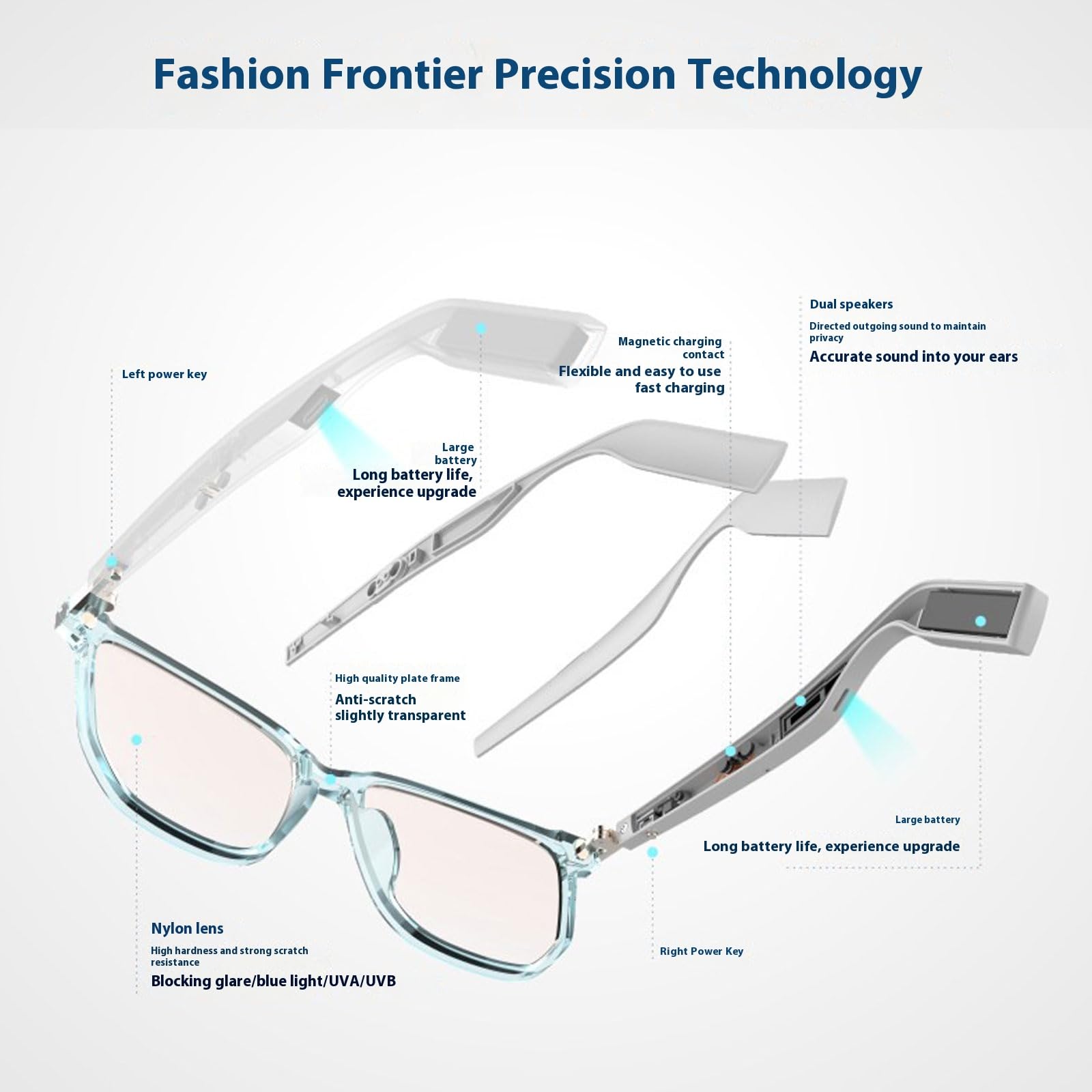
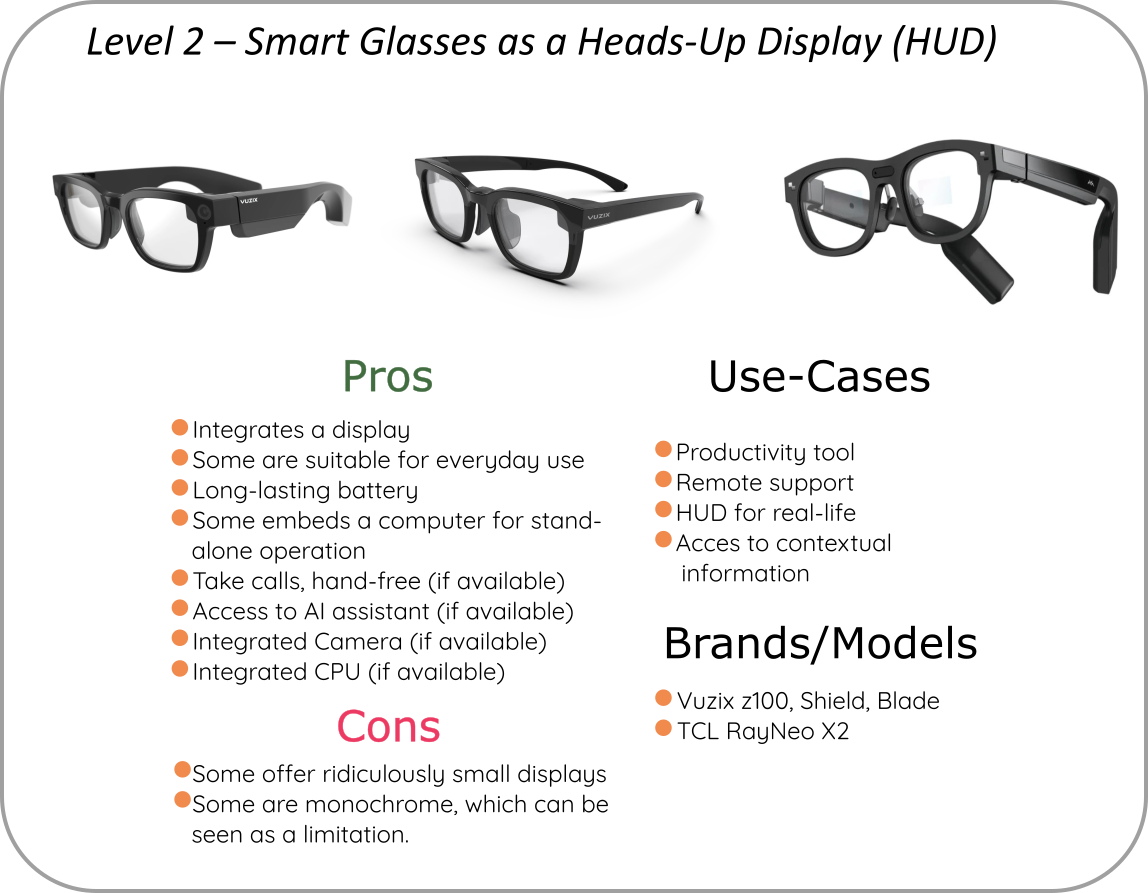
Beyond traditional vision correction, clear lenses are increasingly integrated into smart glasses technology. In 2025, many Augmented Reality (AR) and Virtual Reality (VR) eyewear devices feature clear lenses that overlay digital information onto the wearer's view of the real world. These smart eyewear designs often look like conventional clear eyeglasses, blending technology seamlessly into everyday life while utilizing transparent lens surfaces for display purposes. To explore various types of clear glasses, including fashion and prescription options, customers can find a wide selection of clear glasses here, making it easier to discover the perfect pair for their needs or style.
The Benefits of Clear Glasses
H4 Advantages and Uses
The advantages of wearing clear glasses are diverse, catering to both practical vision needs and modern lifestyle demands in 2025. The most fundamental benefit is accurate vision correction. For individuals with refractive errors, clear lenses are indispensable tools that correct focus issues, providing crisp and clear sight essential for daily activities like reading, driving, and working. Properly prescribed clear eyeglasses significantly improve quality of life by restoring visual acuity.
In an age dominated by screens, blue light blocking features in clear lenses have become a major advantage. Extended exposure to blue light emitted by digital devices like computers, tablets, and smartphones can lead to eye strain, fatigue, and potentially disrupt sleep patterns. Wearing clear lens glasses for computer use with blue light filtering helps mitigate these effects, providing greater comfort during long hours in front of screens. These computer glasses are becoming increasingly popular for students and professionals alike.
Clear glasses can also serve as effective protective eyewear. While not a substitute for certified safety goggles in hazardous environments, durable clear eyeglasses, particularly those made from impact-resistant materials like polycarbonate, offer a degree of protection against dust, debris, and environmental irritants encountered in everyday settings. This adds a layer of safety to vision correction or aesthetic wear.
Finally, clear glasses are a prominent feature in current eyewear trends in 2025. They are a versatile fashion statement that can enhance personal appearance. Available in a vast array of frame styles, from minimalist wireframes to bold acetate designs, clear eyeglasses can complement any look. They offer a sophisticated, intellectual, or trendy aesthetic without the visual barrier that tinted lenses can sometimes create. Exploring different eyewear trends often leads back to the timeless appeal and adaptability of clear frame glasses.
【Exploring Clear Lens Technology】
Clear Glasses for Vision Correction
H4 Vision Needs
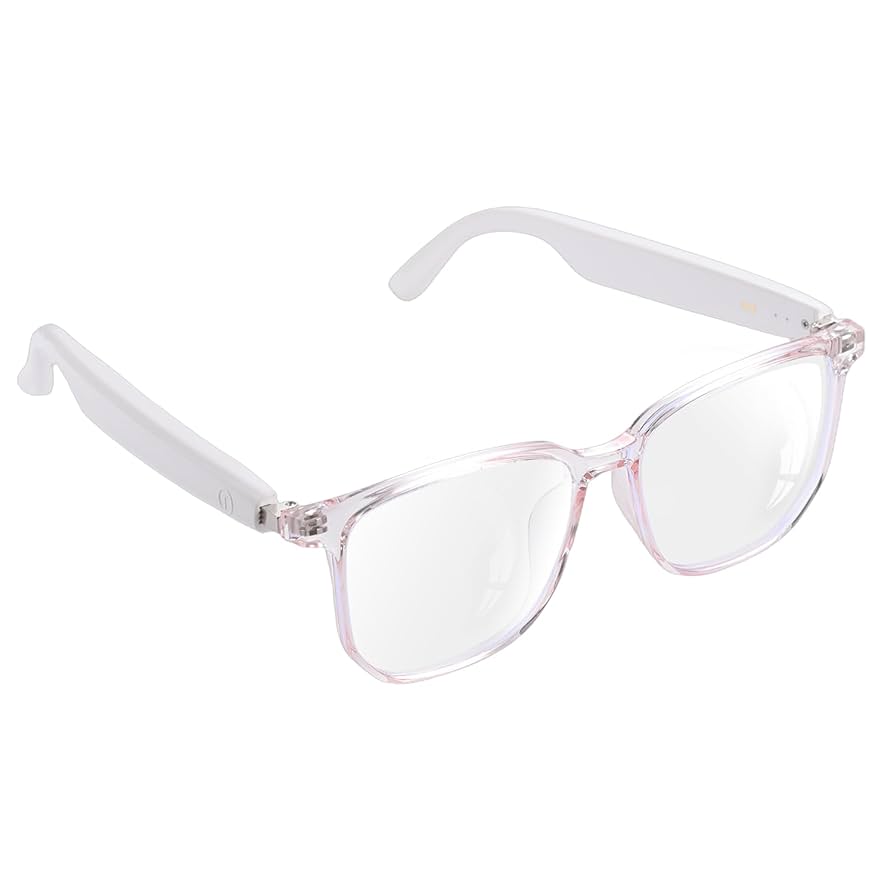
Clear glasses are fundamental tools for addressing a wide range of vision needs in 2025. The type of lens fitted into your clear frame glasses determines how they correct your sight. Understanding these lens types is crucial for choosing the right pair.
One common type is single vision lenses. These clear lenses are designed to correct vision for one specific distance only – either near (for reading), intermediate (for computer use), or far (for driving). Most standard prescription clear glasses utilize single vision lenses for conditions like simple nearsightedness or farsightedness.
For individuals needing correction at multiple distances, progressive lenses offer a seamless solution. Unlike bifocals or trifocals which have distinct lines, progressive clear lenses transition gradually from distance vision at the top, through intermediate vision in the middle, to near vision at the bottom. This provides clear vision at virtually all distances without the visual jump associated with lines. When comparing clear glasses with progressive lenses versus other types, the primary benefit is the natural viewing experience across distances.
Bifocal lenses are another option for correcting both near and distance vision in clear lenses. These lenses have two distinct power segments, usually with the distance correction in the main part of the lens and the near correction in a smaller segment at the bottom, often separated by a visible line. While less common in fashionable clear frame glasses today compared to progressives, they remain a reliable option for many.
Finally, astigmatism correction is often achieved with special clear lenses called toric lenses. Astigmatism is a common condition causing blurred vision due to an irregularly shaped cornea or lens. Toric clear eyeglasses have different powers in different meridians of the lens to correct this specific refractive error, ensuring sharp and comfortable vision. Finding the right type of clear lenses tailored to your exact vision needs is key to optimal visual clarity. For exploring options based on lens types and finding affordable choices, you might find information about cheap eyeglasses on line helpful, which can bust common myths about online purchases and help you find the right fit for your budget and prescription cheap eyeglasses on line. To see a selection of clear glasses designed for various vision needs, including those with different lens technologies, customers can explore clear glasses options for different prescriptions here.
Smart Glasses Technology and Clear Lenses
H4 Integration with Smart Devices
The integration of clear lenses with cutting-edge smart glasses technology is rapidly transforming how we interact with digital information in 2025. Clear lenses are essential for smart eyewear that aims to blend virtual content with the real world.
Augmented Reality (AR) glasses rely heavily on clear lenses. These devices project digital information, graphics, or notifications directly onto the transparent lenses, allowing the wearer to see both their real environment and the superimposed digital content simultaneously. This technology creates immersive experiences for navigation, gaming, work, and communication. Augmented reality glasses represent a significant leap forward in personal computing, making information accessible right before your eyes.
Another exciting area is Holographic Glasses. While similar to AR, holographic displays create three-dimensional images that appear to float in space within the wearer's field of view. This advanced holographic glasses technology requires exceptionally clear lenses to ensure the projected 3D images are crisp and realistically integrated with the physical world, opening possibilities for highly realistic training simulations, design visualization, and entertainment.
Specific examples like Meta Ray-Ban clear lenses showcase the practical application of this integration. These stylish frames house technology that allows users to take photos, record videos, listen to audio, and interact with a voice assistant, often without obstructing their view with a tinted lens. The clear lenses maintain the aesthetic of traditional eyewear while embedding powerful connectivity and capture capabilities, highlighting the duality of design and functionality in modern clear smart glasses.
The future of interfaces is increasingly leaning towards transparent UI design. As smart glasses with clear lenses become more prevalent, user interfaces are being developed to be intuitive and non-intrusive, projected directly onto the transparent lens surface. This allows for hands-free, context-aware interaction with technology, seamlessly overlaid onto our daily lives, signaling a future where information is always present but never in the way. To explore contemporary clear glasses designs that may inspire future smart eyewear, including various frame styles with transparent lenses, customers can find a wide selection of stylish clear glasses here.
【Choosing the Right Clear Glasses】
Selecting the Perfect Frame
Frame Styles and Face Shapes
Choosing the right clear glasses frame is as much about personal style as it is about comfort and fit in 2025. The material of your frame significantly impacts its durability, weight, and aesthetic. Popular frame materials for clear frame glasses include acetate, known for its vibrant colors and chunky feel, various metals offering sleekness and strength, and lightweight yet robust titanium. Combination frames blend materials for unique designs.
Selecting the right frame styles is crucial for complementing your features. Classic options include Wayfarer and rectangular frames, offering a timeless and often professional look. Round frames lend a softer, often more intellectual or vintage vibe, while cat-eye frames add a touch of flair and lift the face. Aviator styles, traditionally sunglasses, are also gaining popularity in clear frame glasses for a bold statement.
Matching face shapes to frame styles helps achieve a balanced look. Oval faces are versatile and can wear almost any style. Square faces are often softened by round or oval frames, while round faces benefit from angular styles like rectangular or Wayfarer frames. Heart-shaped faces look great with bottom-heavy frames or cat-eye styles. Triangular faces are often balanced by wider frames at the top, like semi-rimless or cat-eye. The question "Are clear glasses suitable for all face shapes?" can be answered with a resounding yes, provided you select the appropriate frame style that complements your individual face shape.
Beyond shape and material, considering color considerations is important. While the lenses themselves are clear, the frame color should complement your skin tone, hair color, and personal wardrobe. Clear frame glasses themselves offer a neutral palette that works well with many complexions, providing a minimalist and modern look. For a selection of stylish clear glasses in various frame styles and materials, helping you find the perfect match for your face shape and personal taste, customers can view clear frame glasses suitable for different face shapes.
Lens Options and Coatings
Enhancements and Protection
Once you've selected the perfect frame, the lens options and coatings significantly enhance the functionality and durability of your clear glasses in 2025. These enhancements and protection features improve visual comfort, safeguard your eyes, and extend the life of your lenses.
An essential coating for most clear lenses is Anti-Reflective Coating, also known as AR coating or anti-glare coating. This thin layer eliminates reflections from the front and back surfaces of the lenses, reducing glare from lights, computer screens, and headlights. The result is clearer vision, reduced eye strain, and improved aesthetics as your eyes are more visible through the lenses.
Protecting your investment is key, and a Scratch-Resistant Coating is vital for clear eyeglasses. While no lens is completely scratch-proof, this hard coating makes the lens surface much more resistant to the minor abrasions that can occur during daily use, preserving clear vision. Proper handling and using a lens cloth for cleaning are still recommended as part of good maintenance tips for clear glasses.
Shielding your eyes from harmful solar radiation is paramount, which is where UV Protection comes in. Built into or applied as a coating to clear lenses, UV protection blocks ultraviolet A (UVA) and ultraviolet B (UVB) rays. Prolonged exposure to these rays can contribute to serious eye conditions over time, making UV protection a non-negotiable feature for all clear lenses, regardless of whether you need a prescription or are wearing clear glasses for fashion or eye protection.
For versatility, Photochromic Lenses are a popular choice. These innovative clear lenses automatically darken when exposed to sunlight (UV radiation) and return to clear indoors. This provides the convenience of having both indoor clear glasses and outdoor sunglasses in one pair, offering continuous UV protection and comfort across different light conditions. For a detailed look at how this technology works and the benefits of these transitioning lenses, you can read more about transition photochromic lenses. To explore clear glasses featuring various lens enhancements like Anti-Reflective Coating, Scratch-Resistant Coating, and UV Protection, ensuring optimal visual performance and durability, customers can find clear glasses with enhanced lens options here.
【Clear Glasses in Fashion and Function】
Are Clear Glasses Fashionable?
Style and Trends
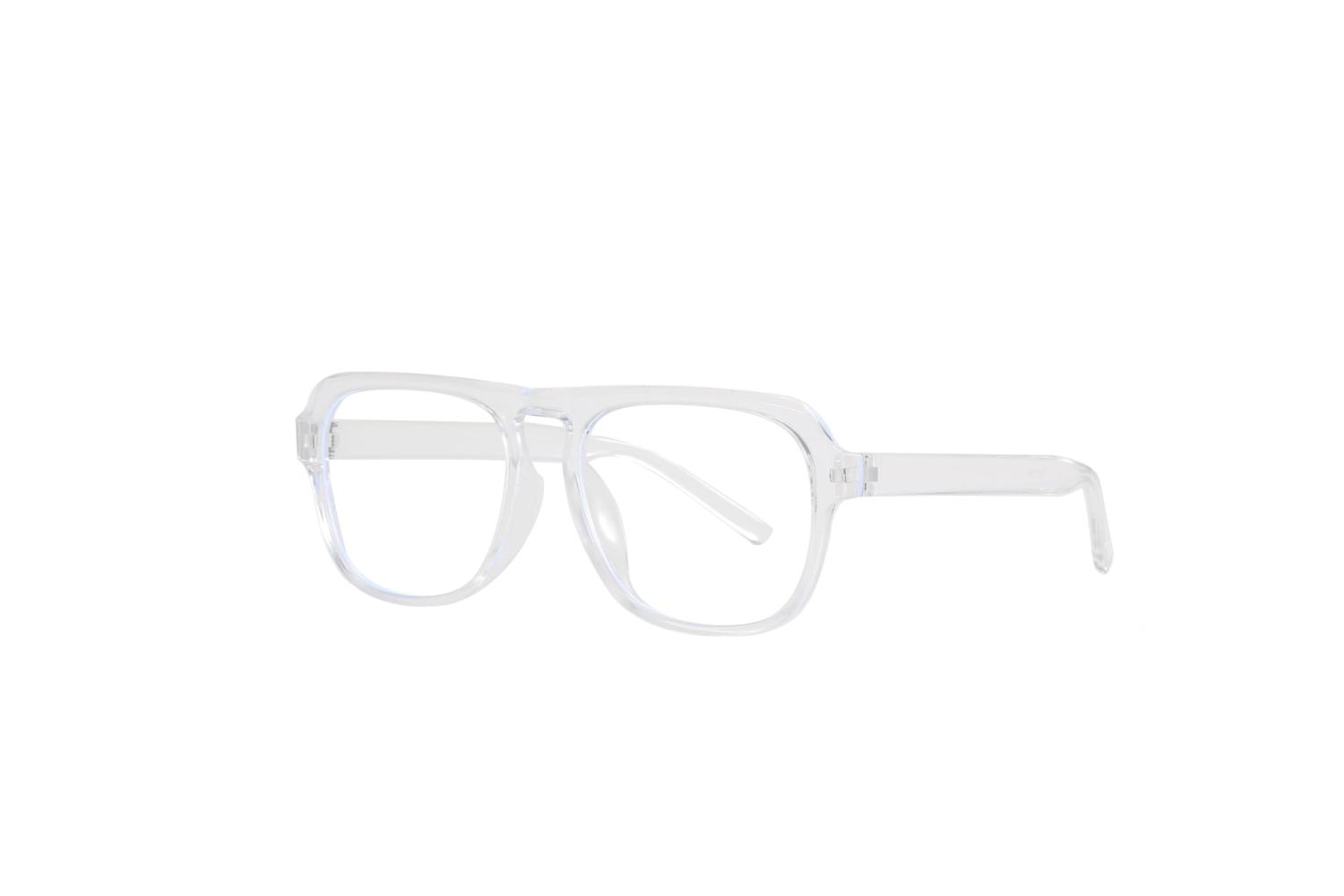
In 2025, the answer is a resounding yes – clear glasses are not just functional; they are a significant fashion statement. Their minimalist aesthetic and transparent quality make them incredibly versatile, fitting seamlessly into a wide range of styles. This modern look, often referred to as transparent eyewear, has become a staple accessory.
The influence of celebrities has played a crucial role in popularizing clear glasses. Seen on red carpets, in music videos, and on social media feeds, many prominent figures have embraced this trend. Their adoption has solidified clear frame glasses as a cool and contemporary choice, proving that eyewear can enhance rather than hide your features.
Looking at current fashion trends, clear glasses are valued for their ability to complement diverse looks without overpowering them. They offer a subtle yet distinct touch, acting as a versatile accessory that works equally well with casual streetwear or more formal attire. This neutrality makes them a go-to option for many. Exploring options, including stylish men's designer glasses, can help you find the perfect clear frame to fit your personal style.
Clear glasses are also highly acceptable in the workplace. Unlike some more assertive frame colors or styles, transparent frames project an image of professionalism and approachability. They are understated and chic, making them suitable for various professional settings and helping you look sharp and focused.
The ease of matching with outfits is another major draw. Because the frames are clear, they don't clash with colors or patterns. Whether you're dressing up for a special event or keeping it casual, clear glasses integrate effortlessly, adding a touch of sophistication without demanding attention. This makes them a practical choice for daily wear.
Maintaining Your Clear Glasses
Care and Longevity
Proper maintaining your clear glasses is essential for preserving their clarity, appearance, and structural integrity in 2025. Consistent care and longevity practices ensure your eyeglasses remain in top condition, providing clear vision and lasting wear.
Effective cleaning techniques are fundamental. Always use a clean microfiber cloth specifically designed for lenses. For best results, pair the cloth with a quality lens cleaning spray. Avoid using paper towels, tissues, or clothing, as these can scratch the lenses over time, degrading your clear lenses. Clean gently in circular motions.
Appropriate storage tips prevent damage when your clear frame glasses are not being worn. Always store them in a protective case. A hard case offers the best protection against crushing or bending, while a soft pouch can protect against scratches if placed in a bag. Avoid leaving them face down or exposed on surfaces where they could be scratched or knocked off.
Don't hesitate to seek adjustments and repairs from a professional optician when needed. If your clear glasses feel loose, are sliding down your nose, or the frames seem bent, professional adjustments can restore the proper fit. Trying to bend frames back yourself can cause breakage. Similarly, professional repair is best for loose screws or minor damage.
Implementing regular maintenance checks helps catch potential issues early. Periodically inspect your frames for loose screws, especially at the hinges. Ensure the nose pads are clean and in good condition. A quick check and tightening if needed can prevent lost screws and keep your clear glasses sitting comfortably and correctly on your face, contributing to their overall longevity.
To find a wide selection of clear glasses that are both fashionable and designed for durability, providing options for both style and easy maintenance, explore clear eyewear for every style.
【The Future of Clear Glasses】

Innovations in Eyewear
Emerging Technologies
The future of clear glasses in 2025 is being shaped by remarkable advancements in eyewear technology. These innovations aim to transform traditional transparent frames into sophisticated devices enhancing vision and integrating digital experiences seamlessly. The evolution of eyewear is accelerating rapidly.
One exciting development is the concept of a liquid glass interface. Imagine your clear frame glasses lenses becoming interactive displays. This technology explores the possibility of projecting apps, notifications, and buttons directly onto the transparent surface, creating a futuristic, heads-up display without obstructing your view.
Inspired by VisionOS interfaces, the user interface for these future clear glasses might feature transparent elements that subtly adapt to your surroundings. This ensures that digital information displayed on the lens is non-intrusive and harmonizes with your natural environment, making the technology feel intuitive and natural.
Advanced lens materials are also under intense research. Scientists are exploring new compositions that offer enhanced clarity, superior scratch resistance, and improved durability. These materials are crucial not only for maintaining the pristine look of clear lenses but also for supporting integrated smart features.
Speaking of smart features, the integration of sensors and displays is a key trend. Future transparent eyewear could incorporate tiny cameras, motion sensors, and micro-displays to enable augmented reality (AR) capabilities. This allows information to be overlaid onto the real world visible through your clear glasses, from navigation directions to real-time data.
These technological leaps suggest that clear glasses are poised to evolve beyond simple vision correction or fashion accessories into powerful tools that blend physical and digital realities, offering new levels of functionality and interaction.
The Role of Clear Glasses in AR/VR Eyewear
Enhancing Digital Experiences
Clear glasses are increasingly playing a vital role in the development and adoption of AR/VR eyewear. The quest is to make these advanced digital experiences more accessible, comfortable, and seamlessly integrated into daily life. The transparency of the lenses is a key factor.
Improving display clarity is paramount in AR/VR. Future clear glasses designed for these platforms will require lenses optimized to project or transmit digital visuals with exceptional sharpness and color accuracy. This is essential for creating immersive and believable augmented or virtual environments projected onto or through the transparent lenses.
Reducing eye strain is another critical design goal. Wearing AR/VR headsets for extended periods can cause discomfort. Innovations in clear glasses for this purpose focus on developing lens technologies that minimize digital eye fatigue, ensuring that users can comfortably engage with digital content for longer durations. This might involve special coatings or optical designs.
Customization options will be crucial, particularly for users who require vision correction. Integrating prescriptions into AR/VR clear glasses or providing easily attachable inserts means that more people can access these technologies without needing to wear their regular eyeglasses underneath, enhancing comfort and optical quality. For many, accessing these digital frontiers while maintaining optimal vision might involve understanding how to get a prescription for glasses online, a convenient step towards acquiring compatible eyewear.
Recent events like Meta Connect 2024 highlight this trend. The discussion around products like the Ray-Ban Meta glasses (which already incorporate smart features) and the anticipation for more advanced holographic Orion glasses shows the direction. These devices leverage the familiar form factor of clear glasses or traditional eyewear to deliver sophisticated digital capabilities.
As AR and VR technologies mature, clear glasses provide an ideal platform for their widespread adoption. Their discreet appearance and potential for integrating advanced optics and electronics make them perfect candidates for the next generation of personal computing and immersive digital interaction. To stay ahead of the curve and explore current options that bridge fashion and potential future tech trends, discover clear eyewear innovation.
【Understanding Clear Glasses】

The Rise of Clear Glasses: Why the Hype?
Why are clear glasses popular?
In 2025, clear glasses have cemented their status as a major trend in eyewear. Their popularity stems from a unique blend of style, comfort, and adaptability that resonates with a wide audience. These frames offer a modern aesthetic without overpowering the wearer's features.
One key reason for the appeal of transparent frames is their incredible versatility. Unlike colored or patterned glasses, clear frames complement virtually any outfit, from casual wear to formal attire. They also suit all skin tones and hair colors, making them a universally flattering choice for eyeglasses.
Clear glasses embody understated elegance. Their see-through quality provides a minimalist, modern look that is both sophisticated and subtle. This allows the focus to remain on the individual's face rather than the frames themselves, offering a clean and fresh appearance.
These frames have become a true trendsetting accessory. We see clear frame glasses regularly on celebrities, fashion influencers, and style blogs across social media platforms. This high-profile visibility further fuels consumer desire for this particular style of eyewear.
Comfort is another significant factor driving the hype. Many clear glasses frames are crafted from lightweight materials such as acetate or TR90 plastic. This ensures they sit comfortably on the face for extended periods, making them ideal for daily wear whether you need prescription lenses or simply a stylish accessory.
Their widespread availability has also contributed to their rise. Clear glasses can be found on numerous mainstream and specialized eyewear platforms and retailers. This ease of access means almost anyone can find a pair that fits their style and budget, from simple transparent frames to more elaborate designs. To explore a variety of popular styles right now, browse clear glasses.
Decoding the Terminology: What Are Clear Glasses Called?
Alternative names and variations:
The term "clear glasses" is widely understood, but this popular style is also known by several other names. Understanding these alternative terms can help when searching for the perfect pair or discussing the style. They often describe the same fundamental concept of transparent or translucent eyewear.
One common alternative is "Transparent Frame Glasses." This term directly describes the key feature – frames that are not opaque but allow light to pass through. It emphasizes the see-through nature of the frames themselves, regardless of the lenses.
Another frequently used phrase is "Clear Lens Glasses." While sometimes used interchangeably with clear frame glasses, this term can specifically refer to glasses with clear, non-prescription lenses within any type of frame, including colored ones. However, it's often used to mean frames that appear clear.
"See-Through Glasses" is a more descriptive term that captures the visual effect. It highlights the literal transparency of the eyewear. This phrase is often used conversationally to refer to frames made from a material that is fully or partially transparent.
For frames that have the look of pure crystal, the term "Crystal Frame Glasses" is fitting. This implies a high level of clarity and often a slightly thicker or faceted appearance that resembles polished crystal. It evokes a sense of luxury and pristine transparency.
Finally, "Invisible Frame Glasses" is sometimes used, especially for very thin or minimalist clear frames. While no frame is truly invisible, this term emphasizes how the clear material blends into the background, making the eyewear appear less prominent on the face. All these terms generally refer to the same sought-after aesthetic of clear eyewear.
Missing Article Content
Summary: The request could not be completed because the required source article content was missing from the input. To receive the requested SEO introduction, conclusion, meta title, and meta description, please resubmit your request with the full text of the article you wish to optimize.


Comments
Post a Comment